The short answer: you can make money online without showing your face by choosing work where people pay for the writing, the design or the product, not for you on camera. Practical options are a niche blog with Pinterest traffic, templates and digital products, print on demand, ghostwriting, affiliate content, a Pinterest assistant service or an email newsletter. Pick the one that matches a skill you already have, give it a few months, and add a second only once the first is earning.
If the thought of being on camera makes you want to hide under a blanket, I get it. My sites have had more than 25 million visits from Pinterest since 2016, and Pinterest never needed to see my face. Below are 14 faceless routes, each with what the work involves and a full guide from a site that covers it in depth. If you want a wider list first, see these 26 quick online business ideas.
Jump to a Strategy
- 1. Start a Niche Content Blog
- 2. Use Pinterest as Your Traffic Engine
- 3. Launch a Faceless YouTube Channel
- 4. Sell Canva Templates on Etsy
- 5. Create and Sell Your Own Digital Products
- 6. Become a Ghostwriter
- 7. Start a Print on Demand Shop
- 8. Sell Printables and Planners on Etsy
- 9. Build Faceless Social Media Theme Pages
- 10. Sell Stock Photos and Video Clips
- 11. Start a Dropshipping Business
- 12. Do Affiliate Marketing (The Pinterest Way)
- 13. Become a Pinterest Virtual Assistant
- 14. Start a Sponsored Email Newsletter
1. Start a Niche Content Blog

A niche blog lets you write about one topic you know or care about, grow an audience through search engines and Pinterest, and monetize with display ads, affiliate links, digital products, or all three at once. No face required — readers come for the content, not the creator. A post that answers a real search can keep getting found for years; my SEO for beginners guide explains how that works.
Click here to read the full guide from Making Sense of Cents →
2. Use Pinterest as Your Traffic Engine
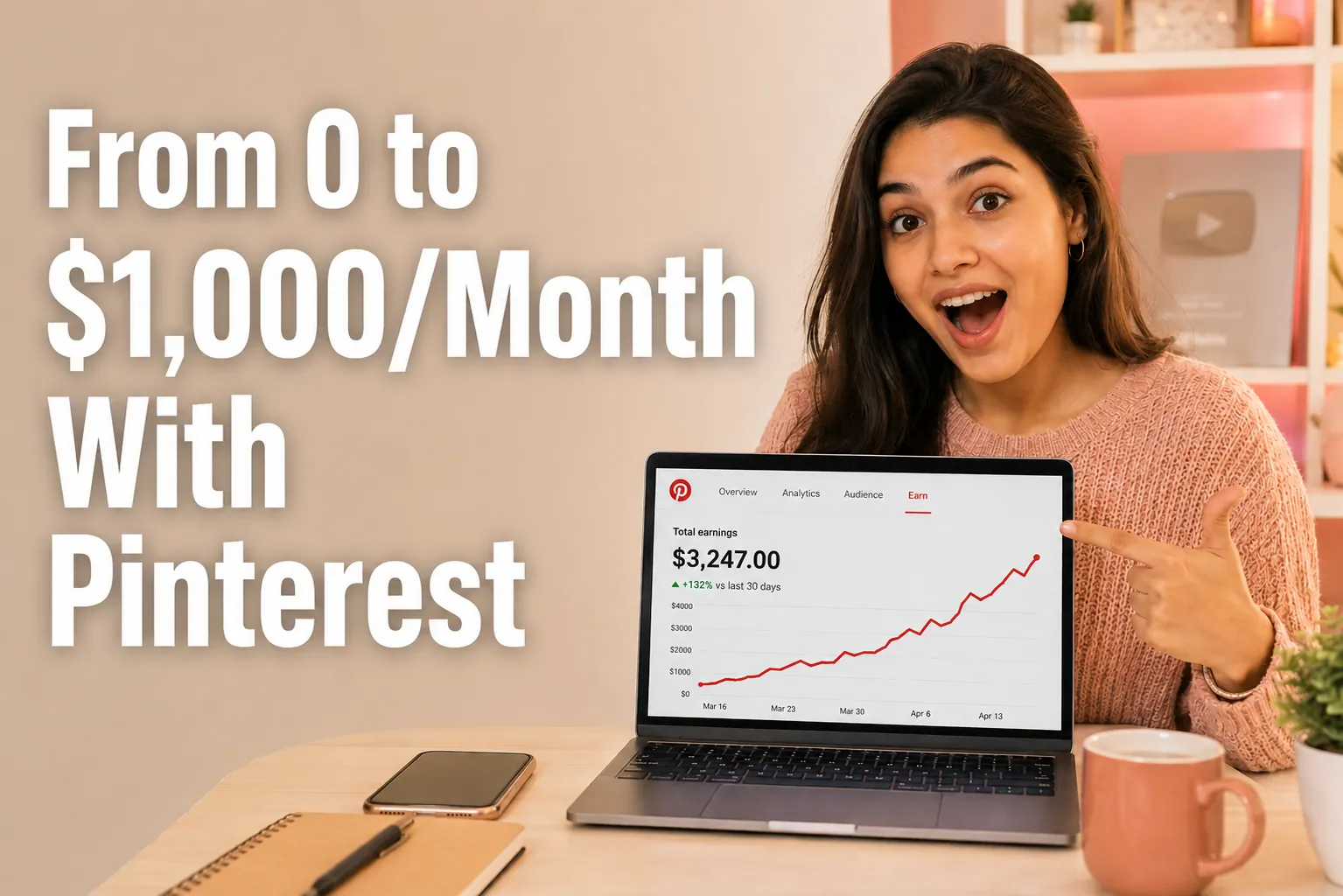
Pinterest works more like a search engine than a social feed, and that matters if you are camera-shy. Unlike TikTok or Instagram, you’re not chasing an algorithm that wants your face on camera every single day. You create well-optimized pins, point them at helpful content, and let them work quietly in the background for months or even years. This is the model behind our Pinterest Traffic System, and the one I lean on myself. On my crafts sites, a check on 1 October 2026 found that Pins made in the previous 30 days brought only about 1% of website clicks from Pinterest; the rest came from Pins older than a month. That is what “working quietly in the background” looks like in real numbers. Start with Pinterest for bloggers, and read why Pinterest suits camera-shy creators.
Click here to read how to make money on Pinterest in 2026 →
3. Launch a Faceless YouTube Channel

Plenty of large YouTube channels have never shown a presenter’s face. WatchMojo, School of Life, Kurzgesagt — they built large audiences using voiceovers, stock footage, animations, and screen recordings. The key is picking a topic people actively search for, scripting genuinely useful content, and staying consistent enough for the algorithm to notice you. Tools like ElevenLabs for AI voiceovers and DaVinci Resolve for free editing have made this model much more accessible for beginners.
Click here to read the 2026 guide to starting a faceless YouTube channel →
4. Sell Canva Templates on Etsy
Canva templates are digital files you design once and sell unlimited times — you never have to show up, ship anything, or make another copy. Beginners with zero design experience can create social media templates, planner pages, business forms, or presentation decks and list them on Etsy, where buyers are already searching for exactly these files. The clearest opening right now is in hyper-specific niches: “somatic coach client intake form” or “Airbnb host welcome guide” face less competition than generic templates aimed at everyone.
What I found when I researched it: in October 2026 I looked at 125 Etsy listings across 16 searches while planning a template shop for VivaMomentum. Bookkeeping spreadsheets and social-media content calendars carried most of the bestseller badges in their searches; side-hustle income trackers had none in the 12 listings I checked. The shops earning the most, by my estimate, priced around $10, while the many listings at about $1 came from shops running a constant 75%-off sale. Search your own idea the same way before you design anything. Etsy also asks sellers to disclose when AI helped make an item, so read its Creativity Standards before you list.
Click here to read the full Canva templates on Etsy guide →
5. Create and Sell Your Own Digital Products

Digital products — ebooks, mini courses, swipe files, Notion dashboards, email scripts — suit faceless creators because each extra sale costs almost nothing to deliver. You package your knowledge once and can keep selling it, as long as you keep it up to date. Buyers don’t need to know your name or see your photo; they care whether the product solves their problem. Check out these platforms for selling digital products in 2026 to see where to list yours (many are free to start), and what digital products are if you are new to the idea.
Click here to learn how to sell digital products without showing your face →
6. Become a Ghostwriter

Ghostwriting means you write content for other people — blog posts, ebooks, newsletters, LinkedIn articles — they publish it under their name, and you get paid. You never need a public profile, a social following, or a camera of any kind. Rates are usually per word, per piece or per month; beginners start lower and raise them as their samples and referrals grow. Upwork, direct outreach to business owners, and pitching to content agencies are three quick paths to landing your first client.
Click here to learn how to become a ghostwriter as a beginner →
7. Start a Print on Demand Shop

With print on demand, you upload your designs and a third-party company handles all the printing, packaging, and shipping when an order comes in — you never touch the product, and your storefront can run completely brand-driven with no personal photos required. You can sell on Etsy, Shopify, or Amazon with the same zero-inventory setup. The clearest opening right now is in niche-specific designs: “retired teacher coffee mug” or “golden retriever mom sweatshirt” give a buyer a clearer reason to pick yours than a generic design aimed at everyone.
Click here to read the full print on demand beginner guide →
8. Sell Printables and Planners on Etsy

Printables and digital planners are a steady category on Etsy because buyers get an instant download and sellers never manage inventory — every sale is a file delivery that earns without extra work from you. Popular formats include budget trackers, daily planners, wedding checklists, habit trackers, and homeschool worksheets, and one file can sell again and again with no extra work. Starting with a small set of listings in one tight niche shows you which ones get views before you make more.
Click here to read the full Etsy digital products guide →
9. Build Faceless Social Media Theme Pages
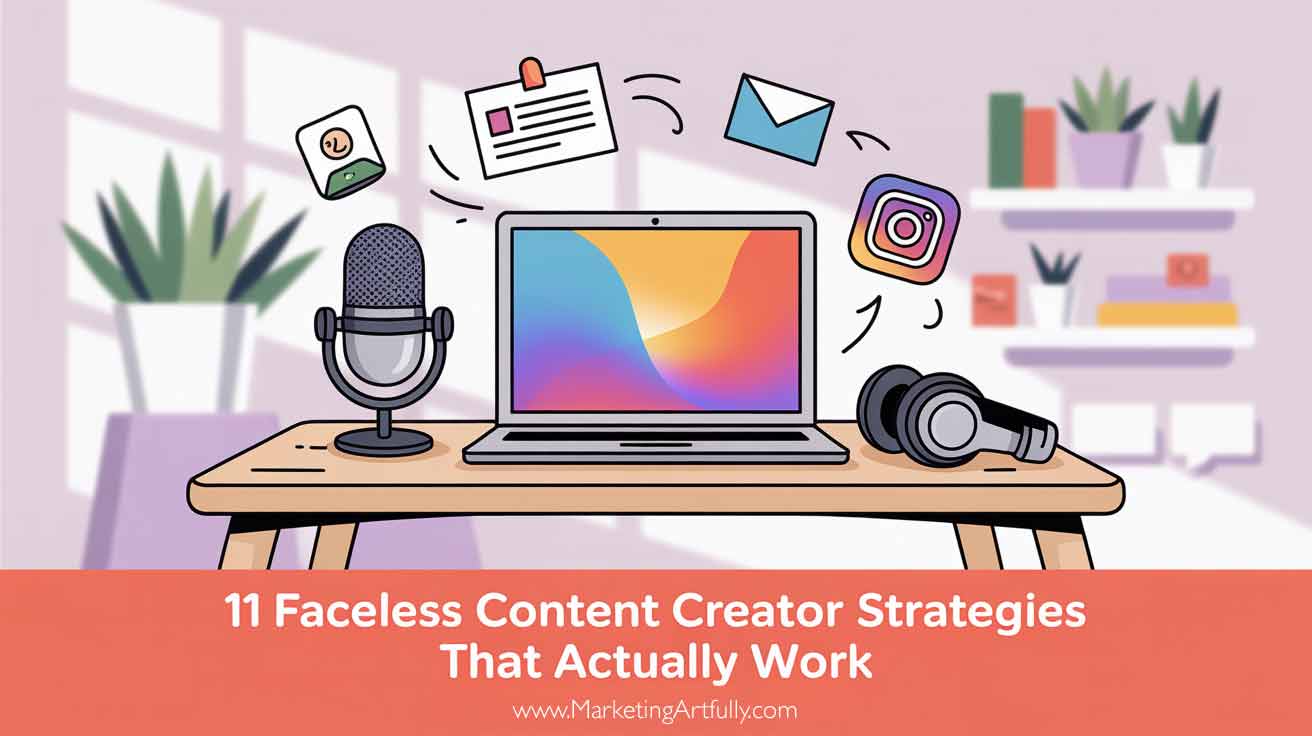
Theme pages are niche social media accounts built around a topic rather than a person — think “minimalist home tips,” “budget travel hacks,” or “stoic quotes” rather than a personal brand. You grow the audience by curating and creating content that fits the niche tightly, then monetize through affiliate links, digital product sales, sponsored posts, or brand deals. The key is a consistent visual aesthetic so followers recognize your content in their feed even without a face to attach it to.
Click here to read 11 faceless content creator strategies that actually work →
10. Sell Stock Photos and Video Clips

Platforms like Shutterstock, Adobe Stock, and Getty Images pay royalties every time someone downloads your image or clip — you upload once and earn repeatedly, completely anonymously. You don’t need a professional studio; everyday scenes like workspace setups, food styling, nature close-ups, and lifestyle flat-lays are all common subjects. Royalties per download are small, so this works as a long, slow build: the size and variety of your catalogue matter more than any single photo.
Click here to read the complete guide to earning passive income through stock photos →
11. Start a Dropshipping Business

Dropshipping is an order fulfillment model where you sell products online without ever holding inventory — when a customer orders from your store, the supplier ships directly to them and you keep the margin. You can build a completely faceless brand around a niche (pet gear, kitchen tools, outdoor accessories) with a logo and strong visual aesthetic instead of personal photos. Startup costs can be kept low, but margins are thin and you depend on the supplier’s shipping times, so place a sample order yourself before you list anything.
Click here to read Shopify’s complete guide to starting a dropshipping business →
12. Do Affiliate Marketing (The Pinterest Way)
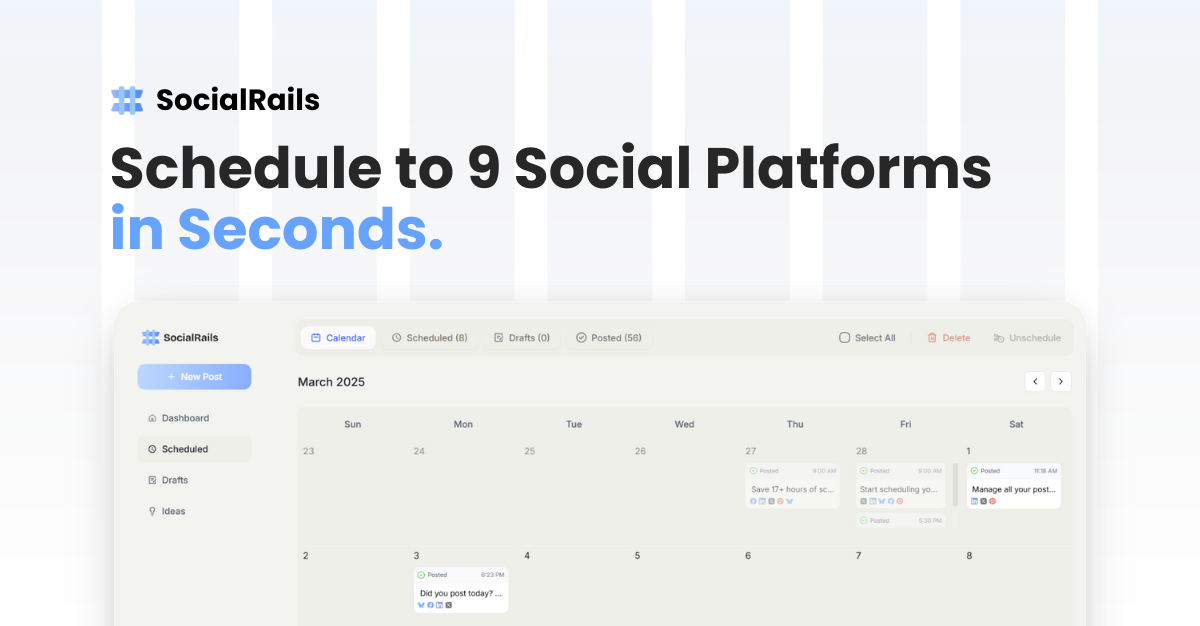
Affiliate marketing means you recommend other people’s products, share a unique tracking link, and earn a commission when someone buys — no customer service, no inventory, and no product of your own required. The most sustainable approach is building content around topics people actively search for (a blog, a Pinterest account, or both), then weaving in recommendations naturally so they feel helpful rather than salesy. The Pinterest-to-blog route suits faceless marketers because pins can keep sending searchable traffic for months after you post them. Two places to go next: affiliate marketing and Pinterest and 15 affiliate programs for beginners. Always disclose affiliate links.
Click here to read the complete Pinterest affiliate marketing guide →
13. Become a Pinterest Virtual Assistant
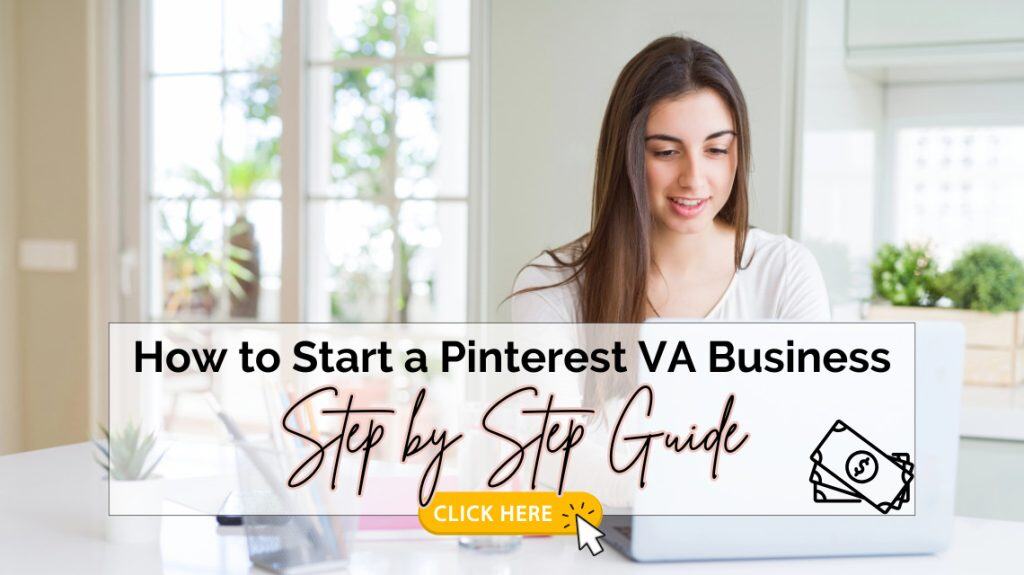
Most small business owners, bloggers, and Etsy shop owners know they should be on Pinterest but have no idea how to run it effectively — which means they need someone exactly like you. As a Pinterest VA, you create and schedule pins, optimize boards, write keyword-rich descriptions, and track analytics, all from behind the scenes with no camera or public profile needed. Pinterest managers usually work on a monthly retainer per client, which gives you predictable work you can do from anywhere.
Click here to learn how to become a Pinterest virtual assistant →
14. Start a Sponsored Email Newsletter

An email newsletter lets you build a direct line to an audience without a camera, a personal brand, or even a social following — just consistent, valuable content delivered to people who asked for it. Sponsors generally want an engaged list in a clear niche, so sponsorship tends to come later; affiliate links and your own products can start earning earlier. Platforms like Kit (formerly ConvertKit) and Beehiiv make the technical setup simple, and starting focused (one topic, one type of reader) is a quicker path to a list worth sponsoring.
Click here to read the full faceless wealth guide from Financial Binder →
Which One Should You Start With?
Start with the one you can do this week with skills you already have. Pick the one that matches what you already have — not the one that sounds most exciting right now.
If you have writing skills, start with blogging or ghostwriting. If you like design, go with Canva templates or printables. If you’re analytical, try dropshipping or affiliate marketing. If you want service income fast, Pinterest VA is a quick path. None of these work overnight, and none is a sure thing; each can work if you stay with it long enough to learn what your buyers want. If you choose the blog route, how to choose a blog niche is the first step.
And if you’re still figuring out why your previous attempts didn’t stick, this is worth reading next: why most people fail at making money online. The answer is usually simpler than you think.
Questions People Ask
What is a simple first way to make money online without showing your face?
For most beginners, a simple first step is selling a skill they already have without a camera: ghostwriting if you write, templates if you design, or a Pinterest assistant service if you are organised. Those can bring in money sooner than a blog, which takes months to grow.
Do faceless businesses really work?
Yes, many content sites, template shops and newsletters are run by people who never appear on camera. What they still need is trust, which comes from useful work, honest product pages and a consistent brand instead of a face.
Can I use AI for a faceless business?
Yes, for drafts, outlines, voiceovers and design ideas, but check every fact and add your own experience. Platforms set their own rules: Etsy asks you to disclose AI-made items, and YouTube does not monetise mass-produced, repetitive videos.
How long before a faceless income idea makes money?
Service work like ghostwriting or Pinterest management can pay within weeks if you find a client. Content-led routes such as blogs, Pinterest and stock photos usually take months, because search traffic builds slowly.
Start with the full guide: The Content-to-Income System
You Might Also Like
- 26 Quick Online Business Ideas You Can Start This Week
- 20 Digital Products That Sell Online (Beginner-Friendly)
- 12 Platforms to Sell Digital Products in 2026 (Free & Low-Cost Options)
- Pinterest for Bloggers: The Beginner’s Guide
- SEO for Beginners: The Complete Guide
- Beginner Mistakes in Online Business That Keep You Broke
Get the free VivaMomentum Starter Kit
Discover more from VivaMomentum
Subscribe to get the latest posts sent to your email.