
You’ve seen the lists. “Start a YouTube channel.” “Do dropshipping.” “Invest in real estate.” And every time you read one of those, you feel more confused, not less.
Here’s the honest truth: most passive income ideas do work. The problem is that most beginners pick the wrong one for where they’re starting from — no budget, no audience, no experience — and quit before they ever see results.
That’s why I put this list together. These 14 passive income ideas are specifically suited for people who are starting from scratch in 2026. Every item links to a real, in-depth resource from an independent source so you can go deeper on whichever one speaks to you.
Before you dive in, read this first: Why Most People Fail to Make Money Online (And How to Avoid It). It’ll save you a lot of time and frustration. And if the idea of getting on camera makes your stomach drop, you’ll love knowing that most of the ideas on this list require no face, no voice, and no personal brand to get started.
None of these are instant. All of them require real work upfront. But once they’re running, they can earn while you sleep. Let’s get into it.
Jump to a Section:
- Print on Demand
- Canva Templates on Etsy
- Affiliate Marketing Through a Blog
- Notion Templates
- Stock Photography
- Ebooks and Printables
- Faceless YouTube Channel
- Amazon KDP Low-Content Books
- Digital Design Assets
- Niche Blog with Pinterest Traffic
- Teach Online Courses
- Dividend Stocks for Beginners
- Build and Flip Niche Websites
- High-Yield Savings Accounts
1. Print on Demand
Via InkedJoy
Print on demand is a beginner-friendly way to start earning passive income online — and you don’t need to invest in inventory, manage shipping, or even learn advanced design skills to get started. You create a design (Canva works fine), upload it to a platform like Printify or Printful, attach it to a product like a mug or a t-shirt, and every time someone buys, the platform prints and ships it for you. You keep the profit margin.
The honest caveat: income becomes truly passive only after you’ve built a catalog of proven designs. Month one is more about testing than earning. But once you know what sells in your niche, the catalog compounds.
Click here to read the full Print on Demand passive income guide from InkedJoy →
2. Canva Templates on Etsy
Via Made on Sundays
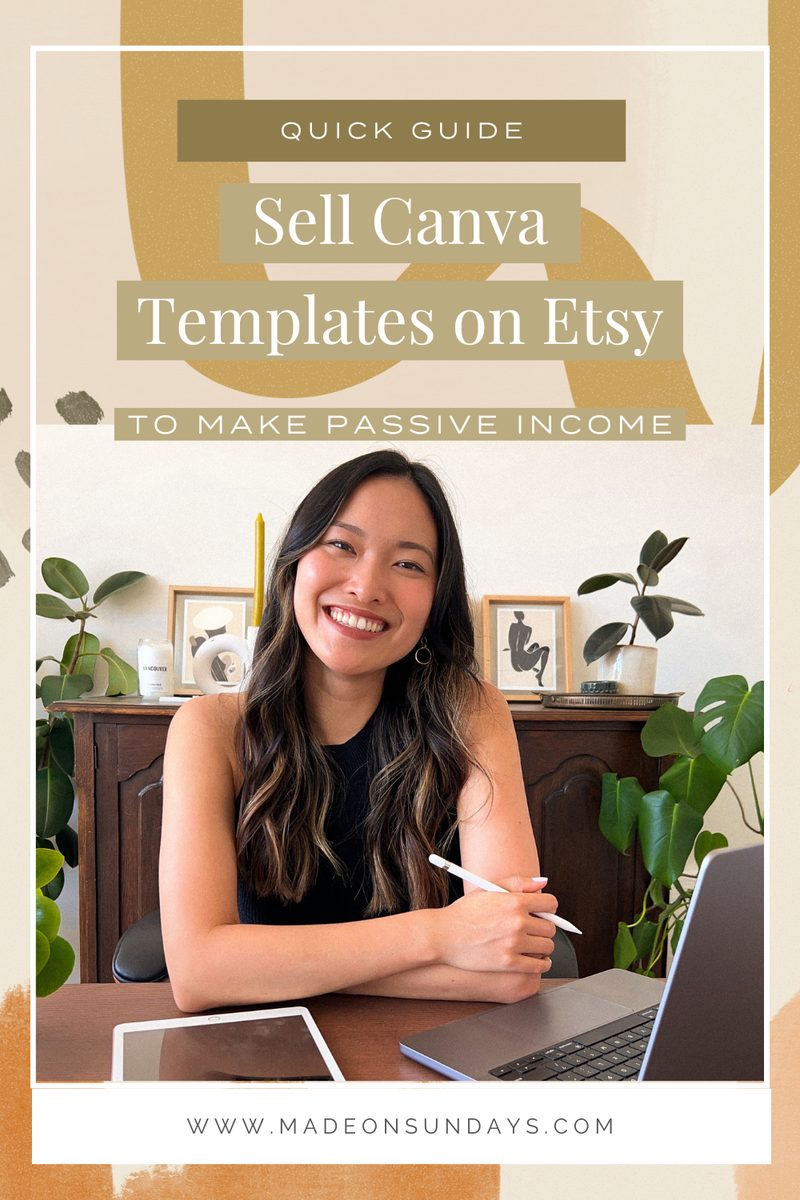
If you can open Canva and drag elements around, you can create templates that other people will happily pay for. Social media post templates, resume templates, wedding invitation suites, planner pages — these are all in high demand on Etsy, and a single template can sell hundreds of times once it starts ranking in search. The setup requires a free Canva account, a free Etsy shop, and a delivery PDF linking to your editable template.
The Made on Sundays guide covers exactly how to set this up from scratch, including the legal rules around Canva’s licensing so you don’t run into issues later. This is a popular passive income stream for beginners right now — and for good reason.
Click here to read the full Canva Templates on Etsy guide from Made on Sundays →
3. Affiliate Marketing Through a Blog

Affiliate marketing is a powerful long-term passive income stream available to beginners — and the good news is that you don’t need to create your own product, handle customer service, or show your face. You write about products you actually use and recommend, embed your unique affiliate links, and earn a commission every time someone clicks through and buys. A blog post you write today can earn commissions two, three, even five years from now.
This guide from She Dreams All Day is written specifically from the perspective of an introvert who built real income through affiliate marketing without a massive audience. It’s refreshingly honest about the timeline and effort involved — and exactly the kind of resource you want before you commit to this path. Pair it with a Pinterest traffic strategy and you have a compounding system that doesn’t require you to be visible at all. Speaking of which — AI tools can dramatically speed up your content creation if you’re building a blog.
Click here to read how She Dreams All Day earns passive income with affiliate marketing →
4. Notion Templates
Via Payhip Blog
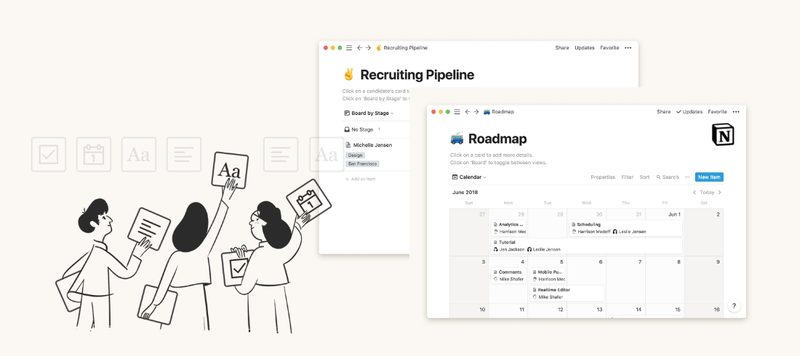
Notion has gone from a niche productivity app to something used by millions of freelancers, students, entrepreneurs, and remote teams. And wherever there’s a tool that people want to use but find difficult to set up, there’s a market for templates. Simple Notion templates — a habit tracker, a freelance invoice system, a content calendar — are selling for $5 to $75 each, and once built, they require zero maintenance to keep selling.
Beginners who commit to building a small catalog of 5–10 targeted templates are realistically earning $500 to $1,500 per month within six months. The Payhip guide walks you through creation, pricing, and exactly where to sell — including free platforms that take zero upfront cost to list on.
Click here to read the Payhip guide to selling Notion templates →
5. Stock Photography

Via Metadata Reactor
If you take decent photos — even on a modern smartphone — you can start earning royalties by uploading to platforms like Adobe Stock and Shutterstock. Every time a designer, blogger, or marketing team downloads your photo, you earn a small commission. Individual payouts are modest, but a contributor with 500+ images uploaded to multiple platforms can realistically earn $200–$1,000 per month in nearly pure passive income.
The key insight from Metadata Reactor’s 2026 guide: metadata quality matters as much as image quality. A technically beautiful photo with poor keywords earns nothing because buyers can’t find it. Their guide covers what actually sells in 2026, how to keyword properly, and the honest timeline for building a profitable portfolio without giving up your day job in the process.
Click here to read the full stock photography passive income guide from Metadata Reactor →
6. Ebooks and Printables
Via Sellfy
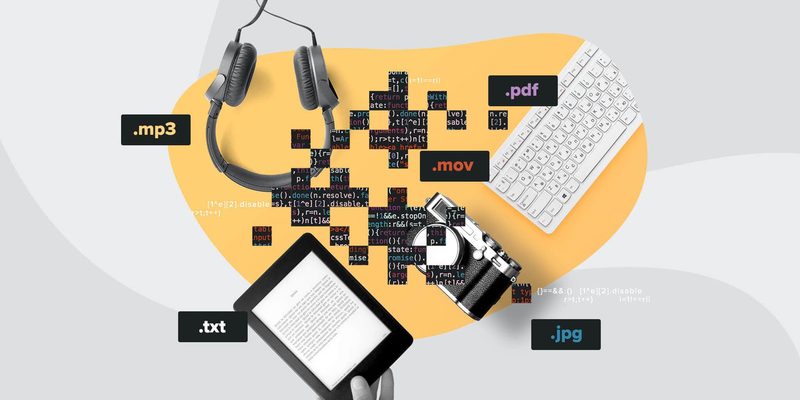
An ebook or a set of printables (budget trackers, meal planners, kids’ activity sheets, goal-setting worksheets) is a simple digital product a beginner can create. You write it or design it once, list it on a platform that handles the delivery automatically, and earn a commission every time it sells — no shipping, no printing, no customer interaction required. Profit margins typically run at 90% or higher after platform fees.
Sellfy’s guide covers 20 digital product ideas in 2026, with specific examples of what’s actually selling and which platforms make it easy to start for free. If you already have expertise in any area of life — cooking, budgeting, parenting, fitness, crafts — you almost certainly have the material for a marketable ebook sitting inside your head right now. You can also check out our roundup of platforms to sell digital products in 2026 to decide where to list yours.
Click here to explore Sellfy’s guide to digital products to sell online →
7. Faceless YouTube Channel

Via Lilach Bullock
YouTube is a platform where a video you publish today can still earn money five years from now. And unlike Instagram or TikTok, you don’t need to show your face, reveal your identity, or build a personal brand. Faceless YouTube channels — using screen recordings, voiceovers, AI narration, stock footage, or animated visuals — are one of the fastest-growing income strategies in 2026, and the startup cost can be as low as zero using free tools like CapCut and Pexels.
Lilach Bullock’s guide is particularly useful because she goes beyond the theory and breaks down which niches are actually generating income right now, versus which ones are oversaturated. Ambient music, finance education, and AI tools reviews are among the highest-earning categories — and none require a single shot of your face.
Click here to read Lilach Bullock’s guide to faceless YouTube channel ideas that make money →
8. Amazon KDP Low-Content Books
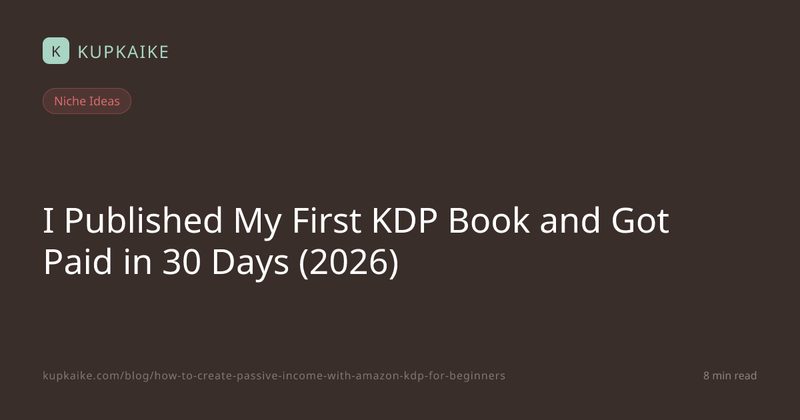
Via Kupkaike
Amazon KDP (Kindle Direct Publishing) lets you publish journals, planners, notebooks, activity books, and trackers — products that require no writing talent, just a well-designed interior and a strong cover. Amazon handles printing, shipping, and customer service. You simply upload your PDF files, set your price, and collect royalties every time someone buys. There are no upfront publishing costs.
The Kupkaike guide is written by someone who made their first sale within 30 days and breaks down exactly what that first month looked like — the design tools, the niche research, the cover design mistakes to avoid. The key takeaway: KDP works on catalog logic. One journal won’t make you rich, but 30–50 well-researched listings can create a surprisingly resilient passive income stream.
Click here to read how to create passive income with Amazon KDP as a beginner →
9. Digital Design Assets (Presets, Fonts, Mockups)
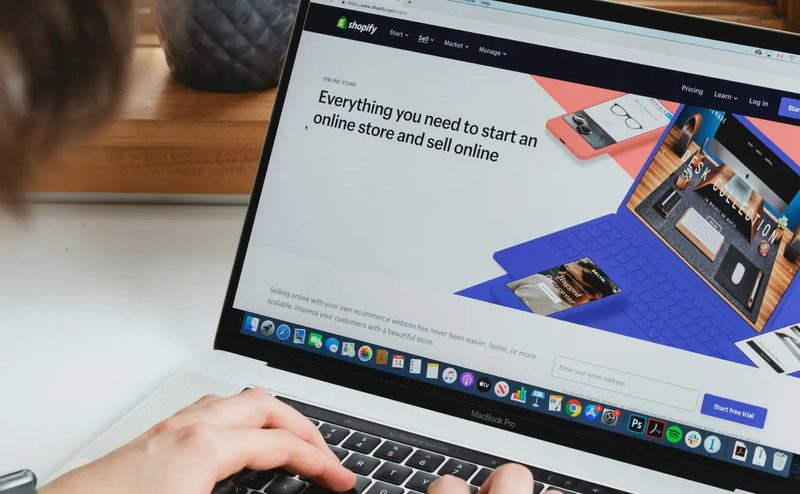
Via Kittl
Beyond Canva templates, there’s a huge and often overlooked market for other digital design assets: Lightroom presets, Photoshop brushes, font bundles, product mockups, illustration packs, and UI elements. Designers, photographers, content creators, and small business owners are constantly searching for these, and they sell on platforms like Creative Market, Etsy, and Envato Elements — often for years after initial creation.
The Kittl blog breaks down 25 profitable digital products in this space for 2026, including which ones have the highest margins and which niches have the most buyer demand right now. If you have any experience with design software — or are willing to learn the basics of one — this is a category worth exploring seriously.
Click here to read Kittl’s guide to profitable digital design products to sell →
10. Niche Blog with Pinterest Traffic

Via Flypped
A niche blog monetized through display advertising, affiliate links, and digital products is a reliable long-term passive income machine — but only if you get consistent traffic. That’s where Pinterest changes everything. Unlike Google SEO, which can take 12–18 months to build, Pinterest can start sending significant traffic within weeks of consistent pinning. And unlike social media platforms that punish you for not posting daily, a well-optimized Pinterest pin from six months ago can still be driving visitors today.
This is the exact model I’ve built my own business on, and it’s why I talk about it constantly on this site. The Flypped guide gives a solid overview of why blogging remains a strong passive income strategy in 2026 and what it actually takes to make it work. If you want to understand the Pinterest traffic side specifically, read this next.
Click here to read Flypped’s breakdown of passive income ideas in 2026 →
11. Teach Online Courses

Via G2
If you know how to do something that other people want to learn — and that’s almost everyone — you can turn that knowledge into a course that sells while you sleep. Platforms like Skillshare, Udemy, and Teachable handle hosting, payments, and student access automatically. You record your lessons once, upload them, and earn royalties every time a new student enrolls. No live sessions required. No customer support unless you choose to offer it.
The barrier people hit is usually the belief that they don’t know enough to teach anything. But you don’t need to be the world’s leading expert — you just need to be a few steps ahead of your audience and willing to show your process. A beginner-level Canva design course, a productivity system for overwhelmed moms, a beginner’s guide to Pinterest: there’s a market for all of it. And G2’s passive income guide covers courses alongside several other strong strategies worth comparing.
Click here to read G2’s guide to passive income ideas for creators and beginners →
12. Dividend Stocks for Beginners

This one works differently from the rest of the list — it doesn’t require you to create anything. When you buy shares of a company that pays dividends, you receive a portion of that company’s profits on a regular basis, just for holding the stock. It’s the definition of passive income: money that arrives in your account without you doing anything once the investment is in place.
For complete beginners, apps like Fidelity, Vanguard, or even fractional share platforms make it possible to start with as little as $5. The compound effect over time is remarkable — even small, consistent contributions to a dividend-paying portfolio can grow into meaningful monthly income within 5–10 years. The College Investor is a beginner-friendly financial site, and their passive income guide covers dividends alongside 19 other strategies, with realistic expectations for each.
Click here to explore The College Investor’s guide to 20 passive income ideas →
13. Build and Flip Niche Websites

Here’s a passive income angle that most beginners never consider: building a small niche website, growing it to a point where it earns consistent ad or affiliate revenue, and then selling it for a lump-sum profit. Websites typically sell for 25–40 times their monthly revenue on marketplaces like Flippa or Empire Flippers. A site earning $200/month is worth $5,000–$8,000 when sold — and building that kind of site from scratch takes about 12–18 months of part-time work.
This isn’t the fastest route to passive income, but it’s a high-return one for people willing to be patient. And during the building phase, the site is also generating income. The GoDaddy skills guide gives a strong overview of this and other passive income models, and is worth reading even if website flipping isn’t your primary path — it helps you see the full landscape before you commit to one.
Click here to read GoDaddy’s full guide to passive income ideas for online entrepreneurs →
14. High-Yield Savings Accounts

Via Wise
This is the lowest-effort passive income option on this list, and it’s completely overlooked by most people chasing “real” passive income strategies. A high-yield savings account (HYSA) from an online bank typically pays 4–5% APY right now — compared to the 0.01% offered by most traditional banks. On $10,000, that’s $400–$500 per year in interest, earned automatically, with zero risk and full FDIC insurance.
It’s not life-changing income on its own. But if you have any cash sitting in a low-interest savings account, moving it to a HYSA is one easy step you can take today to start earning passive income with zero learning curve. Wise’s passive income guide covers this alongside other beginner-friendly strategies and does a great job explaining why starting simple often leads to better long-term outcomes than chasing complex schemes from day one.
Click here to read Wise’s guide to passive income ideas for beginners →
Which One Should You Start With?
If you’ve read this far, you probably have 2–3 ideas that felt right for where you are right now. That’s enough. You don’t need all 14. You need one.
The biggest mistake beginners make is treating research as progress. It isn’t. Reading another article about passive income doesn’t move the needle — picking one idea and taking one concrete step this week does.
Not sure where to start? Read this: Beginner Mistakes in Online Business That Keep You Broke. It’ll help you avoid the most common traps before you waste months on the wrong approach.
And if you want a broader view of what’s working for beginners right now, check out these hobbies that actually make money online — some of them pair beautifully with the passive income streams on this list.
Pick one. Start this week. Report back.
You Might Also Like:
- 12 Platforms to Sell Digital Products in 2026 (Free & Low-Cost Options)
- AI Side Hustles for Beginners: 15 Easy Ways to Make Money in 2026
- 14 Proven Ways to Make Money Online Without Showing Your Face
- 26 Quick Online Business Ideas That Will Be Huge in 2026
- Why Most People Fail to Make Money Online (And How to Avoid It)
- Beginner Mistakes in Online Business That Keep You Broke
- How to Stay Motivated and Smash Your Goals Like a Pro
Discover more from VivaMomentum
Subscribe to get the latest posts sent to your email.